Reading A Proprietary Blend: What One Declared Ingredient Tells You
Some labels declare every ingredient's exact weight. Others hide everything behind a proprietary blend. A third pattern — declaring one ingredient and hiding the rest — is worth understanding on its own terms.
That specific pattern usually means the declared ingredient is regulated or expected by convention, while the undeclared ones are where the manufacturer has more discretion.
Three ways a label can be structured
Fully disclosed: every ingredient listed with its exact weight. You can compare each against published research directly.
Fully undisclosed: everything sits inside one or more proprietary blends with only a total weight given.
Partially disclosed: one or two ingredients carry a stated weight while the rest are hidden. This is the pattern worth examining closely.
Why iron specifically tends to get declared
Minerals like iron are often declared with exact amounts even in otherwise opaque formulas, partly because regulatory convention and consumer expectation around minerals and vitamins is stronger than for botanical extracts, and partly because the Daily Value framework makes it easy and low-cost to state a mineral's amount without revealing anything commercially sensitive about a proprietary herbal mix.
The result: a label can look meaningfully transparent (one clearly stated ingredient) while the ingredients most responsible for the product's actual marketed effect remain completely opaque.
What you can still do with a partial label
Research the undisclosed ingredients' typical effective doses and compare them against what a total blend weight, if given, could plausibly contain.
Take the quantified ingredient seriously on its own merits. If it is a meaningful amount — as 18 mg of iron is — evaluate whether that specific ingredient at that specific dose makes sense for you, independent of the rest of the formula.
Treat undisclosed ingredients as a bonus, not the reason to buy. If a formula would only be worth it because of ingredients you cannot verify, that is a weak basis for a purchase decision.
Applying this to IronPulseX
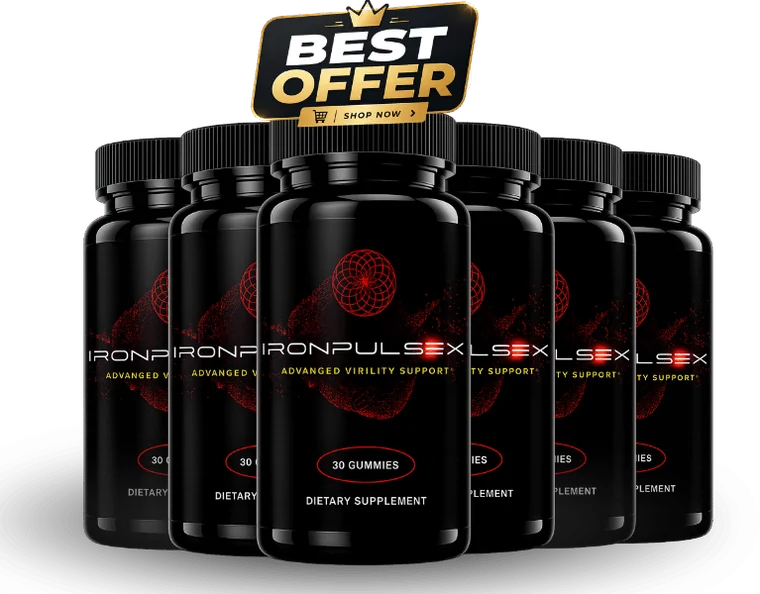
IronPulseX's label follows exactly this partial-disclosure pattern: iron at 18 mg is stated plainly, while L-Citrulline, L-Arginine, Beet Root Extract and Panax Ginseng — the ingredients responsible for the circulation benefits actually being marketed — are not. The honest way to evaluate this product is to judge the iron content on its own terms and treat the rest as unverifiable rather than assuming it delivers research-level doses.